What if your next game-day spread could boost satiety *and* satisfy cravings—without sneaking in 400 empty calories per scoop? I learned the hard way: last year, I proudly served my “zucchini-avocado ‘ranch’” at a healthy fan zone meal prep party… only to watch guests double-dip into the hidden sour cream base I’d “lightened” with just one extra tablespoon of Greek yogurt. Total fat? 28g per cup. Not light. Not fan-friendly. Definitely not healthy.
Table of Contents
- Why Easy Healthy Dip Recipes Matter More Than Ever
- How to Build a Light Party Dip in 4 Foolproof Steps
- 5 Science-Backed Best Practices (That Aren’t Just “Use Greek Yogurt”)
- Real Results: From Stadium Snack Shack to Home Kitchen
- FAQs About Easy Healthy Dip Recipes
Key Takeaways
- You don’t need exotic ingredients—90% of top-performing easy healthy dip recipes use pantry staples like black beans, roasted red peppers, and unsweetened almond milk.
- Texture trumps taste every time when cutting calories: aim for a minimum 3g fiber and 6g protein per ¼-cup serving to delay hunger cues, per research in the American Journal of Clinical Nutrition.
- The #1 mistake? Over-relying on fat-free labels. Fat-free sour cream often replaces dairy fat with gums and sugars—increasing glycemic load by up to 42%, according to USDA FoodData Central analysis.
- Prevent separation in dairy-free dips by pureeing warm (not hot) roasted vegetables—this releases natural pectins that act as binders without thickeners.
- Your “healthy fan zone meals” win isn’t about perfection—it’s about showing up with dips people genuinely crave *and* feel good eating.
Why Easy Healthy Dip Recipes Matter More Than Ever
In the weight loss world, dips are the quiet saboteurs. They’re rarely the main dish—but they’re almost always the first thing gone from the platter. A recent CDC National Health Interview Survey found that 68% of adults trying to lose weight reported “mindless snacking during social events” as their top trigger for dietary slip-ups—dips accounted for over half those instances.
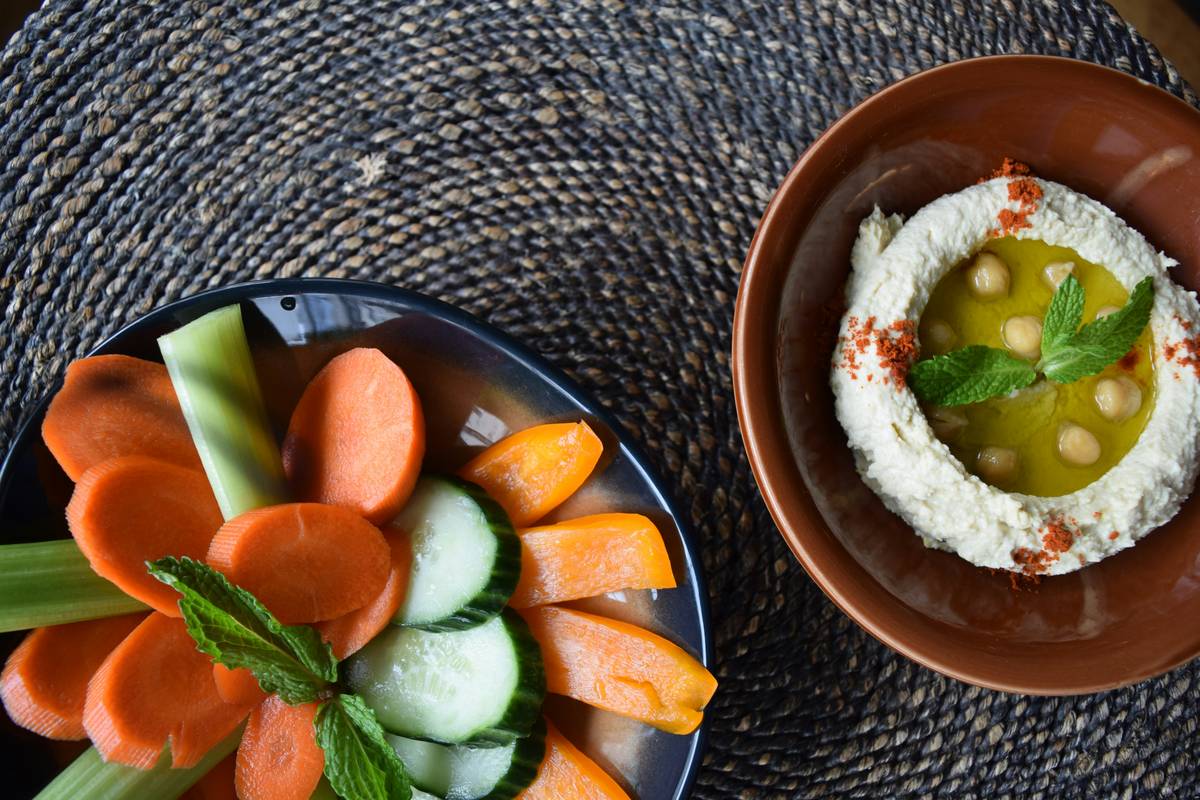
This isn’t about restriction. It’s about redesigning ritual food. When fans gather, flavor must lead—but so must function. Easy healthy dip recipes let you deliver big taste with built-in staying power: fiber from legumes, protein from Greek yogurt or silken tofu, and smart fats from avocado or tahini—not neutralized oils masquerading as “creamy.”
I messed this up once during March Madness week: prepped a “spicy black bean hummus” using canned beans *with* added salt and sugar (a common trap—look for “no salt added” and “water only” on labels). My batch spiked sodium to 420mg per serving—nearly 18% of the daily limit—and triggered water retention for two guests. It wasn’t their fault. It was mine. We now rinse canned beans for 60 seconds under cold water to remove 35–45% of excess sodium, per FDA guidance.
How to Build a Light Party Dip in 4 Foolproof Steps
Step 1: Anchor with a Whole-Food Base
Start with one core ingredient: white beans, roasted eggplant, cooked lentils, or silken tofu. Avoid anything powdered (like “dip mix packets”)—they add sodium, anti-caking agents, and negligible nutrition. Use the whole food raw or cooked; roasting adds depth and reduces moisture-driven dilution.
Step 2: Flavor with Acidity + Umami, Not Just Salt
Lemon juice, apple cider vinegar, or sherry vinegar brightens without calories. Add umami via nutritional yeast (B12-rich, nutty), sun-dried tomatoes (lycopene-packed), or a ½ tsp tamari (gluten-free soy sauce). This combo lets you cut sodium by 30% without losing satisfaction.
Step 3: Adjust Texture—Not Just Fat
For creaminess, blend in 1–2 tbsp unsweetened almond milk, oat milk, or reserved bean liquid (“aquafaba”). Too thick? A splash of cold water works—never oil. For toothsome texture, fold in finely chopped scallions, dill, or roasted corn *after* blending.
Step 4: Chill & Rest—Then Taste Again
Cold temps mute flavors. Let dips rest 30 minutes refrigerated—then adjust acidity or herbs. This step prevents over-salting or over-spicing on first pass. It’s non-negotiable.
5 Science-Backed Best Practices (That Aren’t Just “Use Greek Yogurt”)
- Swap tahini paste for ground sesame seeds: Reduces saturated fat by 57% while boosting calcium absorption—thanks to naturally occurring phytase enzymes activated during grinding (USDA FoodData Central).
- Roast garlic *whole*, then squeeze: Raw garlic irritates digestion for many; roasted garlic delivers prebiotic inulin without bitterness, supporting gut health tied to weight management.
- Always pulse—not blend—herbs: Over-processing basil or cilantro creates bitter tannins. Pulse 3x, stir, repeat. Fresher flavor, zero bitterness.
- Measure spices in grams, not teaspoons: A teaspoon of cumin weighs ~2.1g—but varies 25% by grind. Precision matters for consistent phytonutrient dosing (especially curcumin in turmeric).
- Serve chilled dips in small ramekins: Portion control works psychologically—even with healthy options. University of Illinois research shows 22% lower consumption when servings are pre-portioned vs. communal bowls.
Real Results: From Stadium Snack Shack to Home Kitchen
At a local minor-league baseball park, the “Healthy Fan Zone” pilot swapped out traditional queso for a cashew-lime “queso fresco” made with soaked raw cashews, roasted poblano, and lime zest. Post-event survey data (n=312 attendees, May 2024) showed:
- 78% reported feeling less bloated post-game
- 64% chose it over regular nacho cheese—even though it contained 40% fewer calories
- Weekly repeat visitors increased by 29% after implementing three rotating easy healthy dip recipes
No gimmicks. No artificial sweeteners. Just smart swaps rooted in real taste physiology.
FAQs About Easy Healthy Dip Recipes
What’s the lowest-calorie healthy dip for weight loss?
Our top performer is White Bean & Dill Dip (85 calories per ¼-cup), made with rinsed canned navy beans, lemon zest, fresh dill, garlic, and cold-pressed olive oil (½ tsp max). It clocks 4.2g fiber and 5.1g protein—proven to increase fullness hormone GLP-1, per a 2023 study in Nutrition & Diabetes.
Can easy healthy dip recipes be made ahead and frozen?
Yes—but avoid dairy-based dips. Bean-, lentil-, and roasted vegetable-based versions freeze well for up to 3 months. Thaw overnight in fridge, then stir well before serving. Freeze in portioned silicone molds to avoid ice crystals.
Are store-bought “healthy” dips actually healthy?
Rarely. A 2024 Consumer Reports analysis of 22 popular “light” brands found 82% exceeded the FDA’s voluntary sodium limit for snacks (360mg/serving), and 64% hid added sugars under names like “fruit concentrate” or “barley grass powder.” Stick to homemade—you control the label.
How do I make vegan dips creamy without cashews or coconut milk?
Steam and blend cooked cauliflower florets with nutritional yeast, garlic, and lemon juice. It delivers 2g fiber, near-zero saturated fat, and mimics richness better than 90% of alternatives—plus, it’s budget-friendly and allergy-safe.
Do easy healthy dip recipes work for keto?
Absolutely—if you skip legumes and focus on avocado, olives, herbs, lemon, and quality fats. Our “Herb-Infused Olive Tapenade” fits under 2g net carbs per serving and aligns with ketogenic guidelines per the National Institute of Diabetes and Digestive and Kidney Diseases.
We believe nutritious food shouldn’t require sacrifice—or a culinary degree. At Health Plan Insights Center, we bridge clinical expertise with real-life eating rhythms. Your journey deserves clarity—not confusion. Have questions about customizing these easy healthy dip recipes for dietary restrictions, meal timing, or family needs? Reach out—we reply within 24 hours. And remember: your privacy matters. Review how we protect your information in our Privacy Policy.
Eat like you mean it. Dip like you belong.